Sustainability & Decarbonization
The steel industry is under pressure to lower carbon emissions. Projects and policies are pushing for “green steel” approaches, such as hydrogen reduction, carbon capture, and higher scrap use.
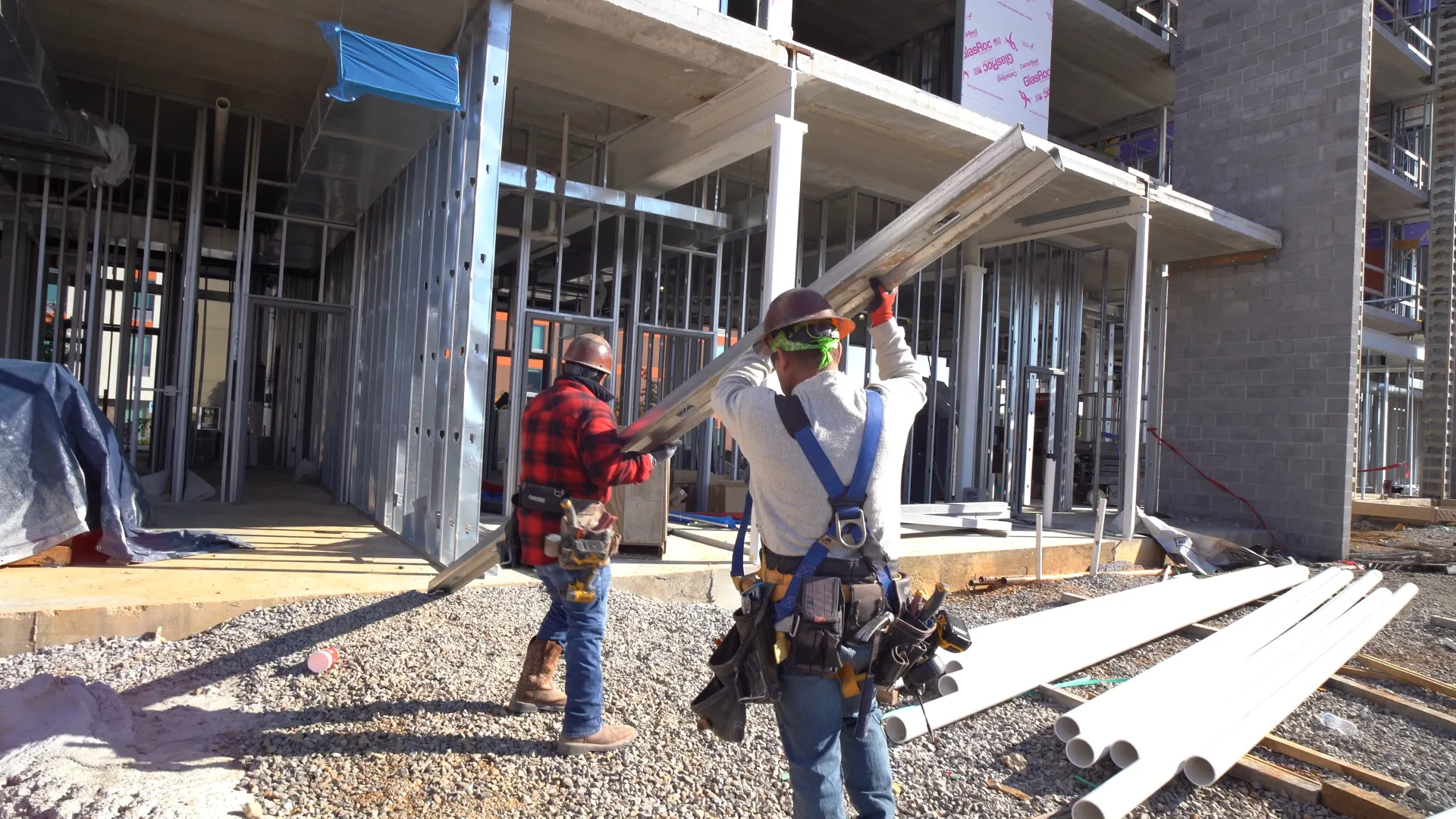
Steel is the most recycled material in the world. TSN works with cold-formed steel, which uses standard mill materials and recycled content.
Shift Toward Prefabrication
Modular Construction & Offsite Methods
In construction, speed, waste reduction, efficiency, and quality control are driving increased adoption of prefabricated or modular systems. Steel framing, particularly light steel framing, is suited to those demands.
As architects, engineers, and contractors look for systems that reduce site time and coordination risk, the demand for integrated, reliable steel framing systems will continue to grow.
TSN offers engineered solutions for loadbearing members and connectors, designed to streamline any cold-formed steel install.
Supply Chain & Trade Pressures / Tariffs & Overcapacity
Tariffs, trade policy, and overcapacity remain significant headwinds. Material costs, lead times, and raw steel volatility are ongoing challenges.
TSN is U.S.-based with multiple locations, reducing reliance on long international supply chains. Our design and ordering resources (catalogs, technical guides) help mitigate risks in specification errors, substitutions, or delays.
TSN manages our raw steel sourcing strategically – balancing domestic mills, contractual stability, and material standards to buffer against steel market swings.
Regulatory & Code Pressures / Changing Standards
Codes, sustainability mandates, carbon accounting, and building regulations are evolving rapidly. Steel systems must adapt to changing energy, fire, and building standards.
TSN holds ICC-ESR (Evaluation Service Reports) and compliance data for various connector products. Additionally, their design guides include information related to seismic design, design of medical facilities, vertical deflection, and various other design applications. Our engineering documentation, submittals, and specifications support help developers / engineers manage code risk.
Conclusion
The global steel and construction sectors are undergoing rapid change – driven by sustainability goals, digital design tools, supply-chain pressures, and the growing adoption of prefabrication. The Steel Network is uniquely positioned to meet these challenges head-on.
By focusing on cold-formed steel products that already contain a high percentage of recycled content, TSN aligns naturally with the push for lower-carbon construction. Our extensive design resources, engineering support, and U.S.-based manufacturing provide reliability and speed that match the needs of modern modular building projects. Also, as building codes and performance standards continue to evolve, TSN’s tested and certified connectors give architects and engineers confidence that their designs will meet rigorous requirements.
TSN is more than a component supplier
We are a strategic partner helping the industry transition to faster, greener, and more efficient ways of building. For designers, contractors, and developers looking to stay ahead of industry trends, engaging TSN early in the design process is a practical step toward delivering projects that are both high-performing and future-ready.